Table of contents
Introduction
San Pedro de Atacama is best known for a few must-see excursions, such as Valle de la Luna, the high-altitude lagoons, and the Tatio Geysers. But the area around the village also offers other possibilities, many of which are less well known and less visited.
These include trekking through canyons and valleys, archaeological sites, activities connected to local traditions, and unusual experiences such as meteorite hunting. Some are ideal for those looking for an alternative to the more classic excursions, while others offer the chance to discover aspects of the area that usually remain outside the more popular itineraries.
In this article, I’ve put together some of the lesser-known excursions to take around San Pedro de Atacama, to help you discover a different and quieter side of the area, always with respect for nature and local communities. The experiences described in this guide are not part of the most common circuits, but are available as small-group or private excursions, with the possibility of combining several places in the same day.
Trekking and nature
For those who enjoy walking in nature and exploring the area on foot, San Pedro de Atacama offers several trekking opportunities. Unlike classic excursions, which tend to focus more on viewpoints and natural attractions, these routes allow you to walk through desert canyons and valleys (quebradas), in some cases following ancient trails.
For this type of experience, I recommend relying on guides who know the area well, both to ensure that the places are visited respectfully and to navigate the desert conditions with greater safety. Temperatures can be high in some areas, trails are not always marked, and mobile phone coverage may be unavailable.
Valle de Guatín
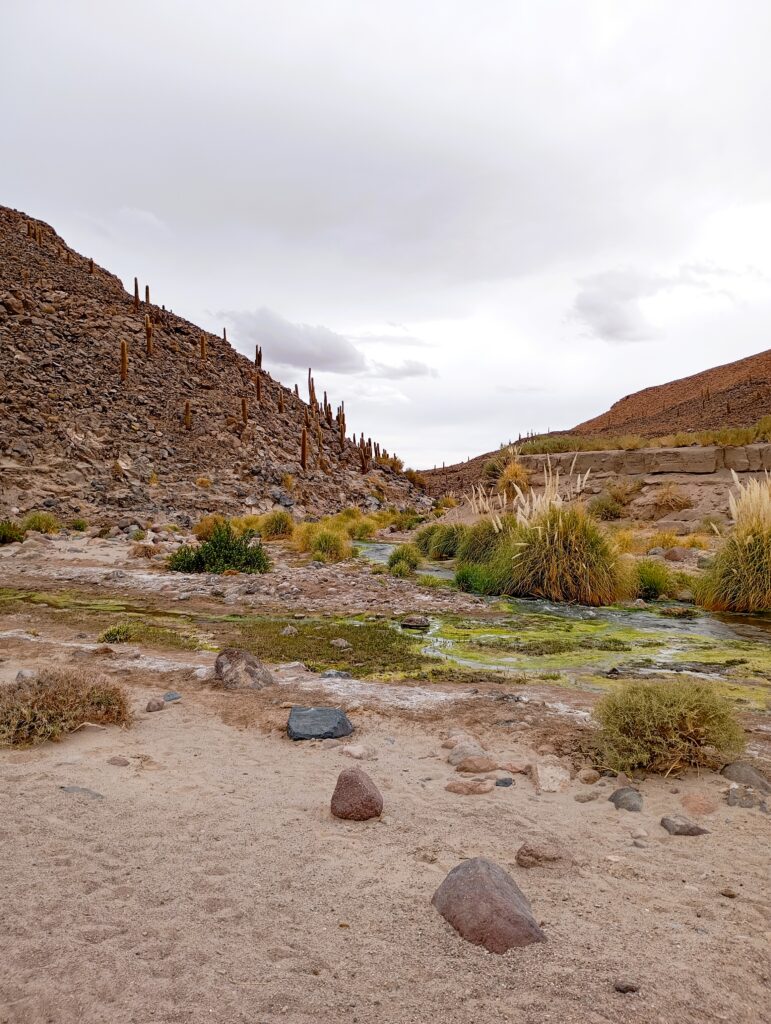
The Valle de Guatín, also known as the Valle de los Cactus, is a canyon crossed by the Río Vilama that offers a landscape very different from the arid scenery more commonly associated with the Atacama Desert.
The presence of the river creates more favorable conditions for vegetation along the canyon than in the surrounding desert, allowing a distinctive range of plant life to thrive, including the large cardón cacti, one of the most characteristic species of this environment. These cacti are fully adapted to arid conditions but can still benefit from the greater availability of water, which is why they are particularly abundant in this area. One of their distinctive characteristics is their very slow growth, at around 1–2 cm per year. They can, however, live for many decades and reach considerable sizes, growing to more than 10 m in height. Local communities have a sacred connection with this cactus: they use its inner wood for construction and handicrafts, while its long spines are used for weaving and making everyday objects such as combs.
Along the route, you can also see some archaeological remains, evidence of ancient communities that once inhabited this area, where the river was a vital resource.
The visit can be organized in different ways, from a shorter walk to enjoy the landscape and cacti to a more challenging trek through the canyon for those who want to explore the area for longer. This experience can also be combined with other activities in the same area, such as the Purilibre trek or the Puritama hot springs, creating a more extensive itinerary in the area.
Cascada Escondida
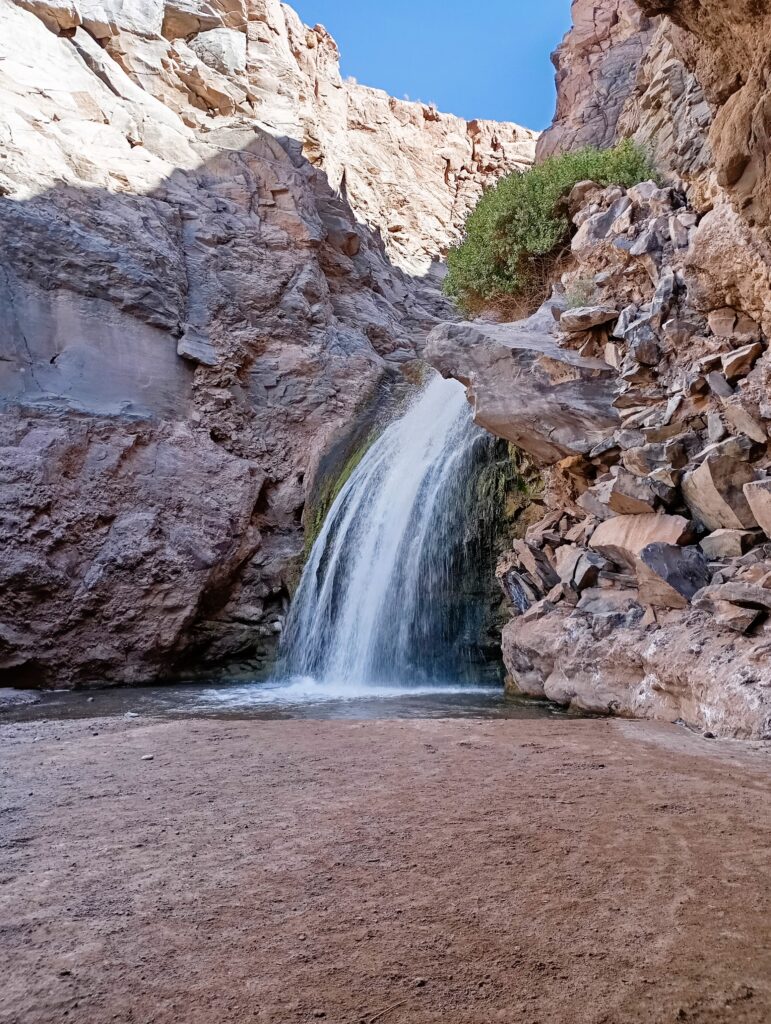
The Cascada Escondida is a waterfall located within the Río Vilama canyon. In a desert environment like San Pedro de Atacama, this place feels like a truly unique oasis. To reach it, you follow a trail along the quebrada, passing through a landscape characterized by rocky walls, riverside vegetation, and large cacti.
Near the waterfall, there are several natural pools where you can cool off. The water is generally cold, so even in summer, swimming can be a bit of a challenge. The total walk takes about an hour and a half. It is not particularly demanding, but it does require a basic level of preparation for the terrain.
Valle de Jere and Bosque Viejo
The Valle de Jere is a true agricultural oasis belonging to the village of Toconao, about 40 km from San Pedro de Atacama. The presence of water flowing down from the small canyons of the high plateau makes it possible to grow a variety of fruit trees and plants, creating a green landscape that stands out sharply against the surrounding desert.
The canyon can be explored on foot, among vegetation, orchards, and small natural pools where you can swim. The land has traditionally been cultivated by families from Toconao, who over time have developed irrigation channels to distribute water and irrigate their plots. Traditional crops include quinces, peaches, grapevines, and several native species, including chañar and algarrobo.
In the lower part of the canyon lies Bosque Viejo, another area characterized by vegetation and orchards. Here too, you can enjoy a peaceful walk to explore the area.
This experience can be organized in different ways: from a short walk to visit the village of Toconao and Valle de Jere or Bosque Viejo, to a slightly longer route for those who want to spend more time exploring the valley and perhaps stop at the natural pools for a refreshing swim.
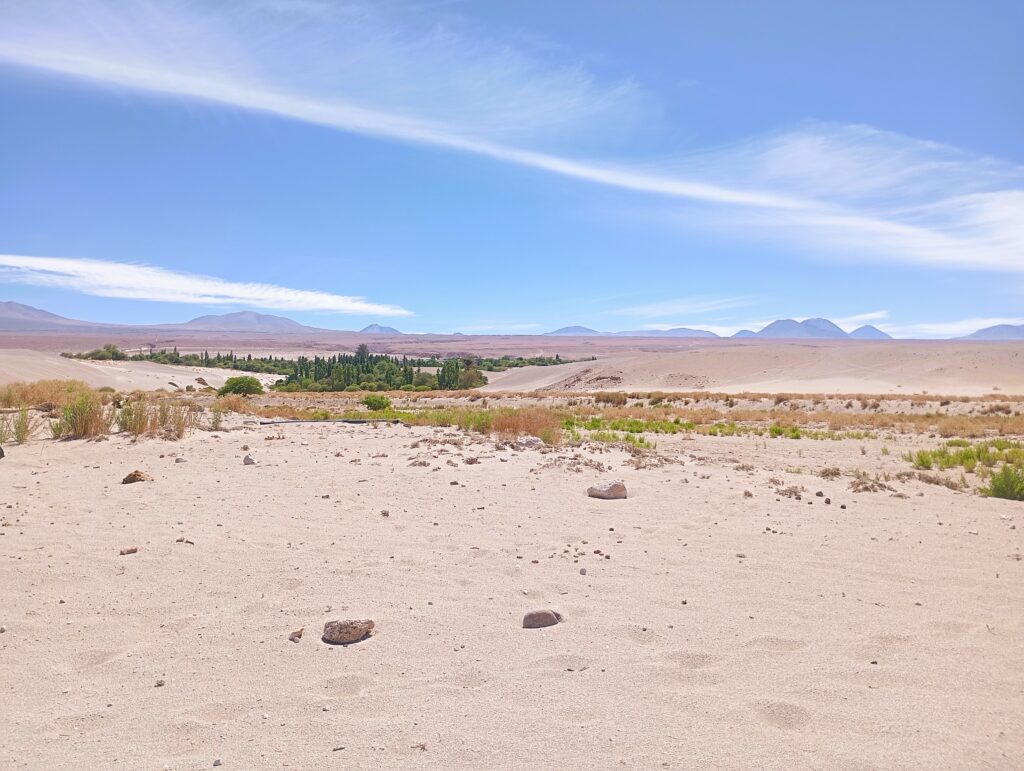 Vegetation in Toconao
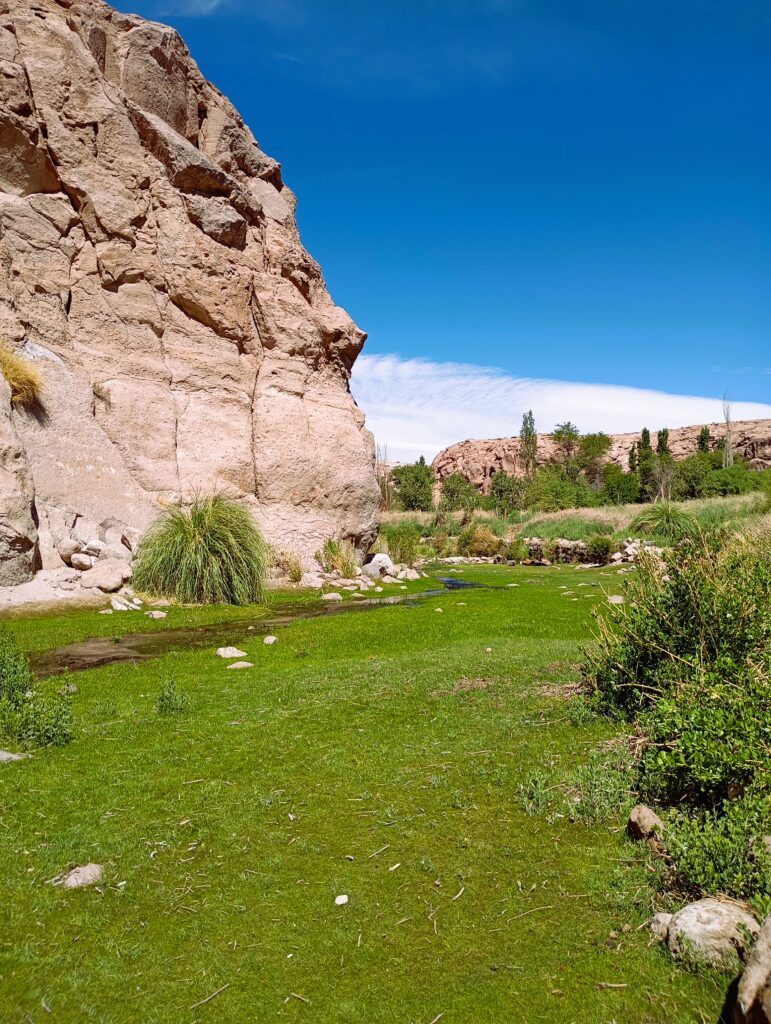 Valle de Jere
Cordillera de la Sal
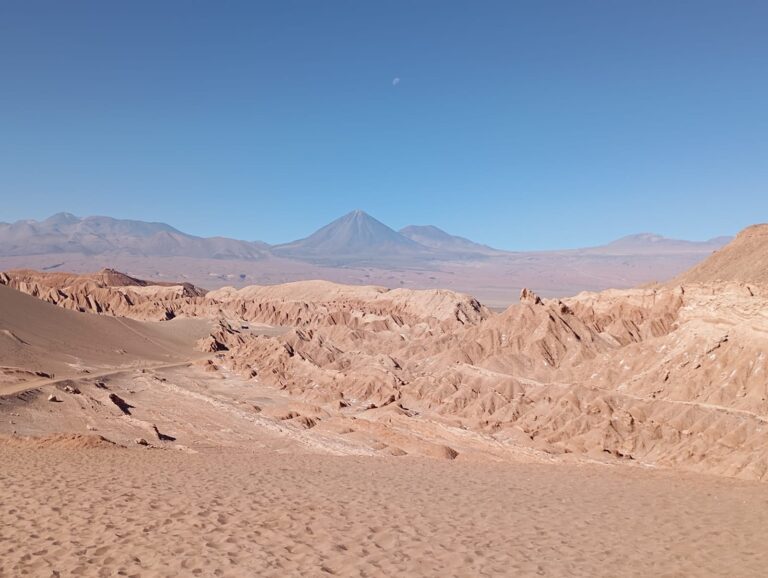
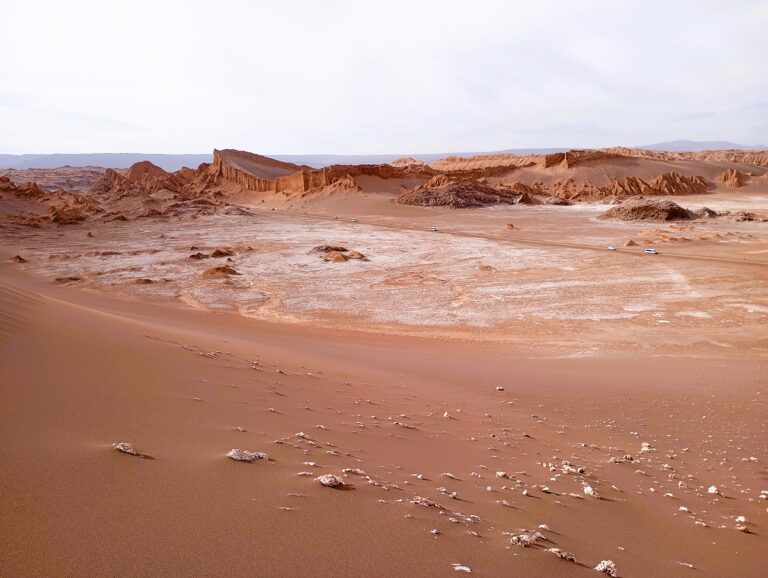
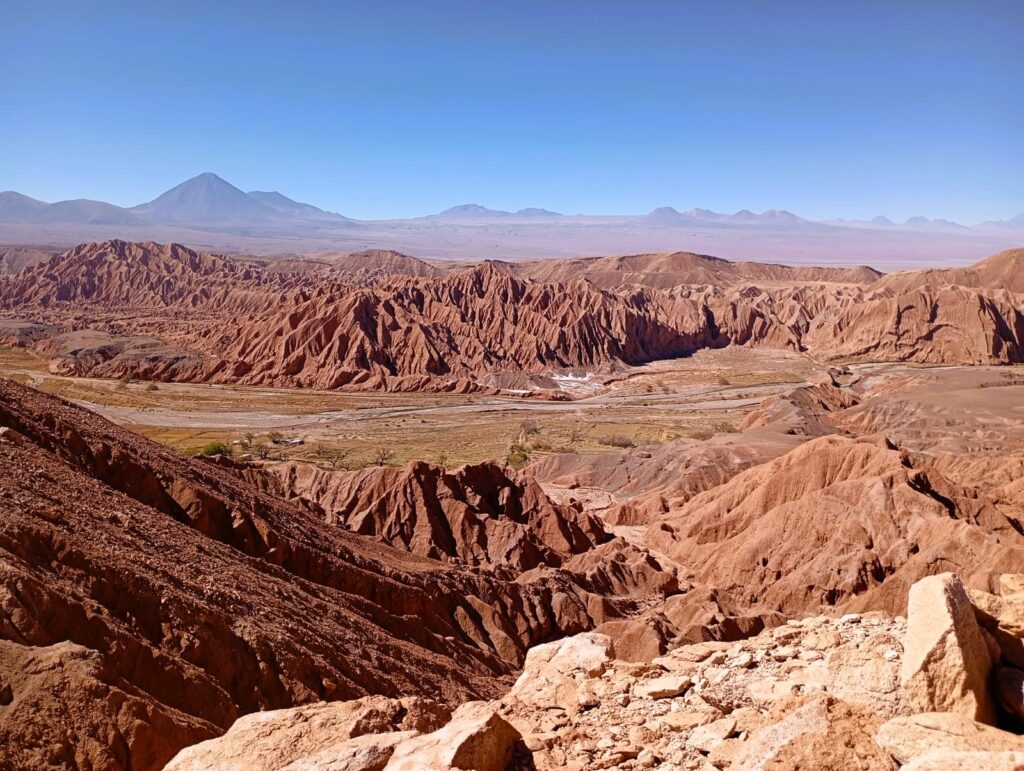
The Cordillera de la Sal offers several trekking opportunities to explore a landscape of canyons, dunes, and formations shaped by erosion on foot. Many routes are located around Valle de Catarpe, with some trails reaching Valle de la Muerte.
There are several options, varying in length and difficulty. They are an interesting alternative for those who want to experience this environment at a more leisurely pace and spend more time walking and exploring the area.
Traditions and local culture
Discovering San Pedro de Atacama can also mean connecting with the local traditions and communities, which still maintain a strong connection with the land today. The Lickanantay, also known as the Atacameño people, are the Indigenous people who have lived in the Atacama Desert area for centuries and have developed a culture deeply connected to the environment and its resources. Some experiences offer an insight into everyday life and knowledge passed down through generations, while others show how the characteristics of the environment have shaped local activities and production over time.
Talabre and Talabre Viejo
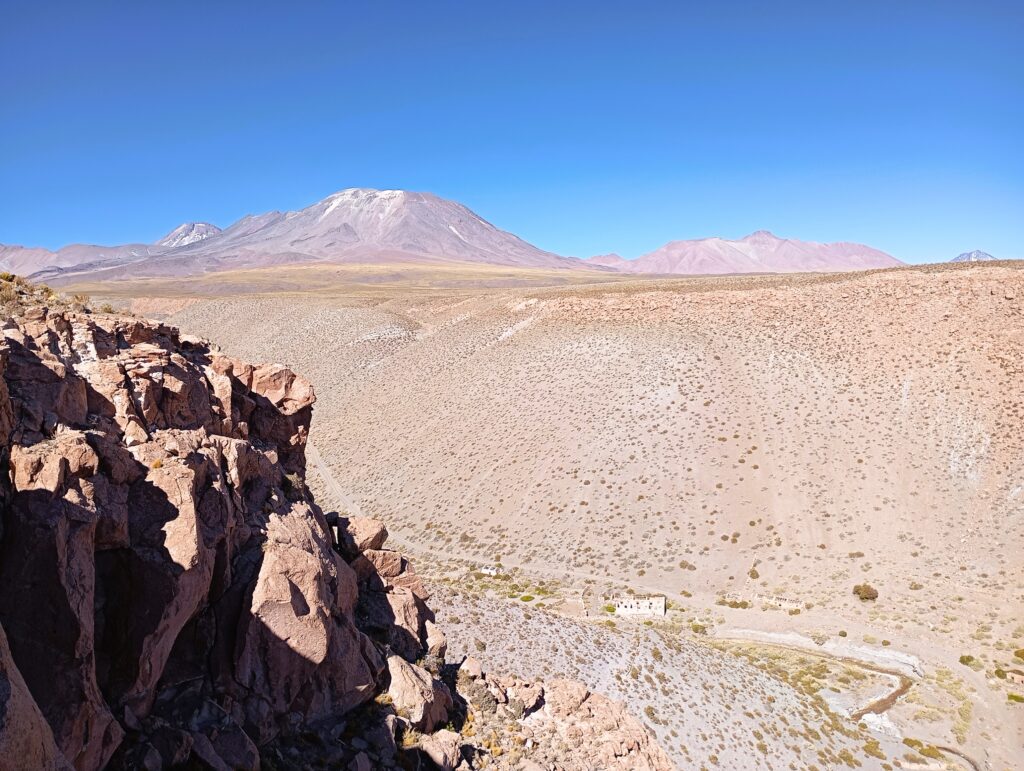
The village of Talabre is located about 60 km from San Pedro de Atacama, at an altitude of around 3.200 metres, and is still home to the Comunidad Indígena Atacameña de Talabre.
One of the most interesting places to visit is Talabre Viejo, the community’s former settlement, located within the Talabre quebrada. The village was inhabited by several families from the 1930s until it was eventually abandoned following a major flood in the early 1980s. Today, you can walk through the ruins of the former settlement, seeing the houses, church, and other structures that are still preserved, accompanied by local community guides.
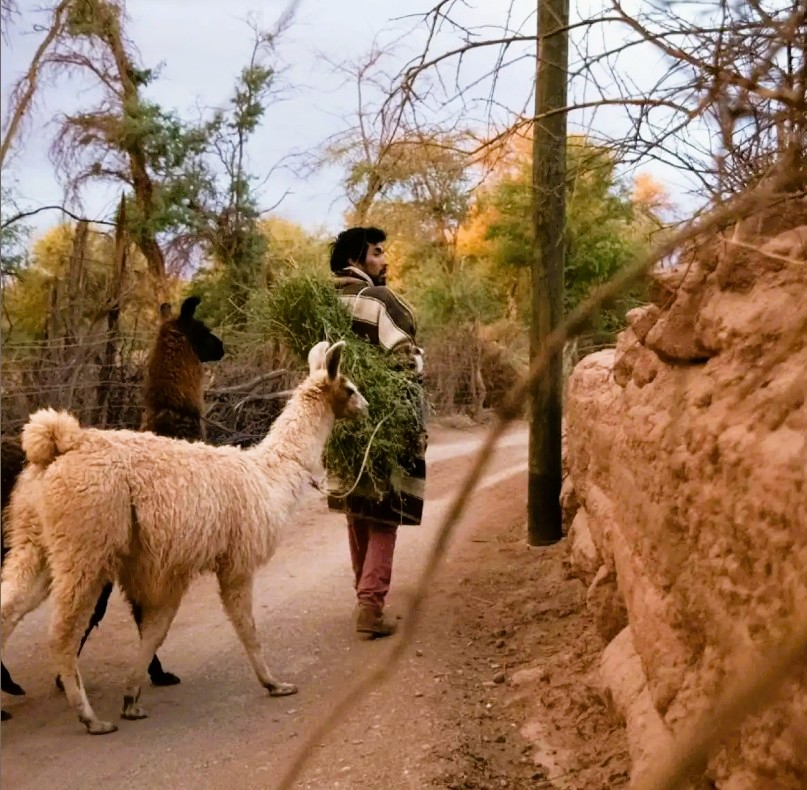
The visit can be organized around different routes, typically lasting between 2 and 4 hours. It is also possible to add a walk with llamas and a shepard, an experience connected to traditional herding that offers an insight into aspects of everyday life on the high plateau.
Tour Ancestral
This experience, offered by a local community, gives visitors the opportunity to walk through the ayllu, the traditional Atacameño neighborhoods, accompanied by llamas. Along the way, you can see native desert vegetation and traditional crops while learning how the lives of Atacameño families have changed over time.
The experience also includes traditional pottery workshops, where local techniques are taught using tools and methods passed down through generations. You can also learn about desert plants and their traditional uses, and taste some typical products from the region, including foods made from corn, chañar, algarrobo, and quinoa.
The activities are all part of the same experience, which is offered in small groups and lasts approximately 3 hours.
Ruta del Vino
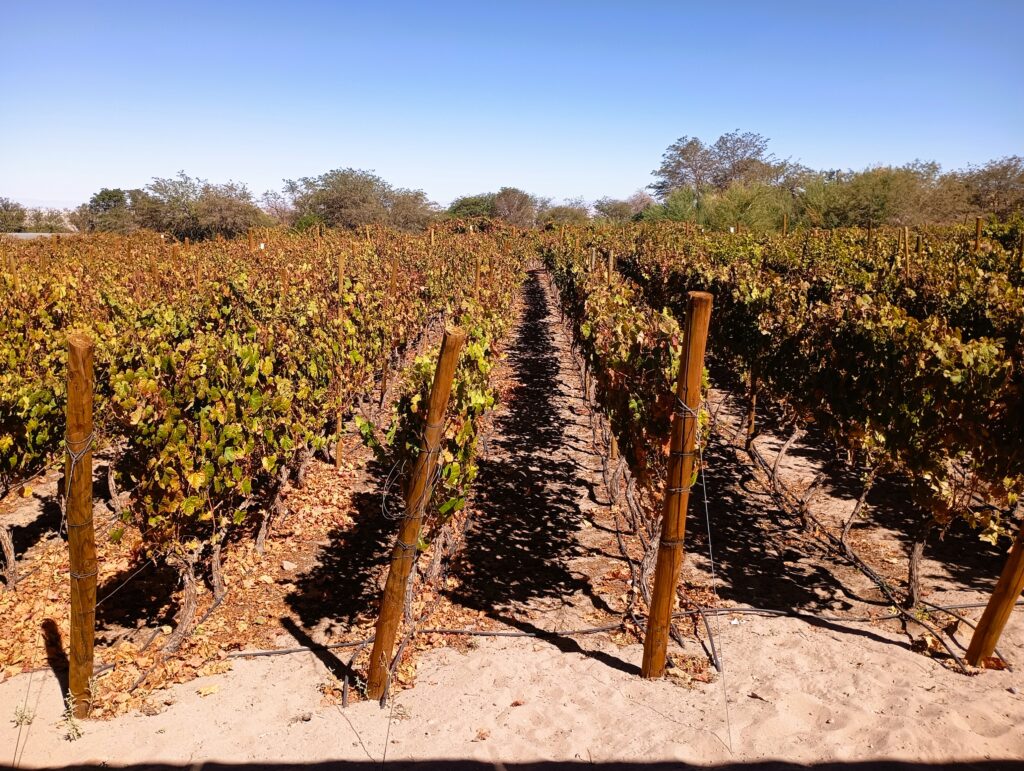
Wine is probably one of the products least associated with the Atacama Desert, yet the agricultural oases in the area are home to a long-standing winemaking tradition shaped by truly unusual environmental conditions. The Ayllu cooperative brings together several local producers who grow vineyards between San Pedro de Atacama and Toconao. Some of these vineyards are located at around 3,200 metres above sea level, making them among the highest vineyards in the world.
In San Pedro de Atacama, you’ll find a vineyard and the Ayllu wine shop, while most of the cooperative’s vineyards are located in Toconao, along with the winery where the wine is produced. The Ruta del Vino offers the chance to discover this unique local wine culture by visiting the vineyards and production facilities, before ending the experience with a tasting of Ayllu wines.
Beyond the winemaking itself, the visit offers an insight into how viticulture has been adapted to the desert’s extreme conditions, transforming an environment that seems ill-suited to agriculture into one capable of producing wine. It is this ability to capture the essence of such an extreme environment in its products that best embodies Ayllu’s philosophy: “atrapar el desierto en una copa de vino”.
Archaeology and Atacameño heritage
San Pedro de Atacama is considered one of the main archaeological centres in northern Chile, thanks to the long-standing presence of Atacameño communities that have inhabited and shaped this land for thousands of years. The remains of ancient settlements, fortresses, trails, and agricultural systems still offer a glimpse into their history and their relationship with the desert environment.
In the article dedicated to the classic excursions of San Pedro de Atacama, I’ve already covered the Pukará de Quitor and theAldea de Tulor, which, although they are not part of the most common group tours, are among the best-known and most visited archaeological sites. There are also other, lesser-known places that can be particularly interesting for those who want to learn more about Atacameño history and culture. Some are also set in particularly striking landscapes, allowing you to combine archaeological interest with the exploration of the surrounding area.
Quebrada de Quezala
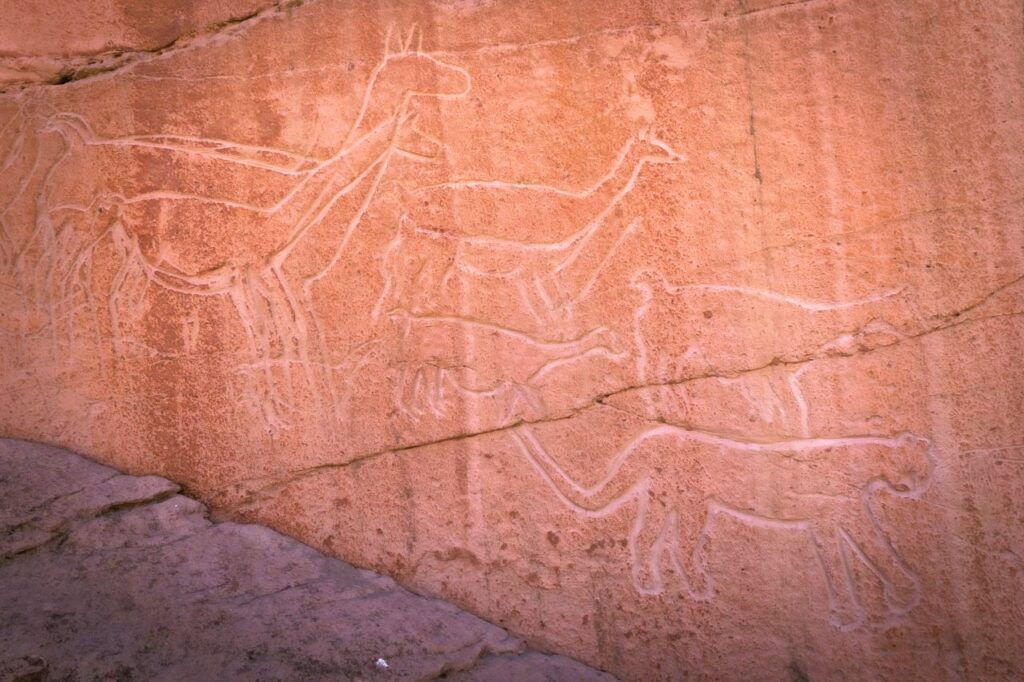
The Quebrada de Quezala lies just a few kilometres from the village of Talabre, in an area home to one of the highest concentrations of rock art in the region. It is considered an open-air museum, where numerous petroglyphs carved into the rock walls can be seen along the route, offering evidence of the ancient communities that once travelled through and inhabited this area.
The visit lasts approximately 3 hours and is accompanied by a local guide, who interprets the petroglyphs and explains their historical and cultural significance. The visit can be combined with the Talabre and Talabre Viejo experience, creating a full day dedicated to the history and culture of this community.
Unusual experiences
Some experiences allow you to discover San Pedro de Atacama through unusual and exclusive activities. These experiences are generally more expensive than others, but they can be a great option for those looking for something truly different.
Hot air balloon experience
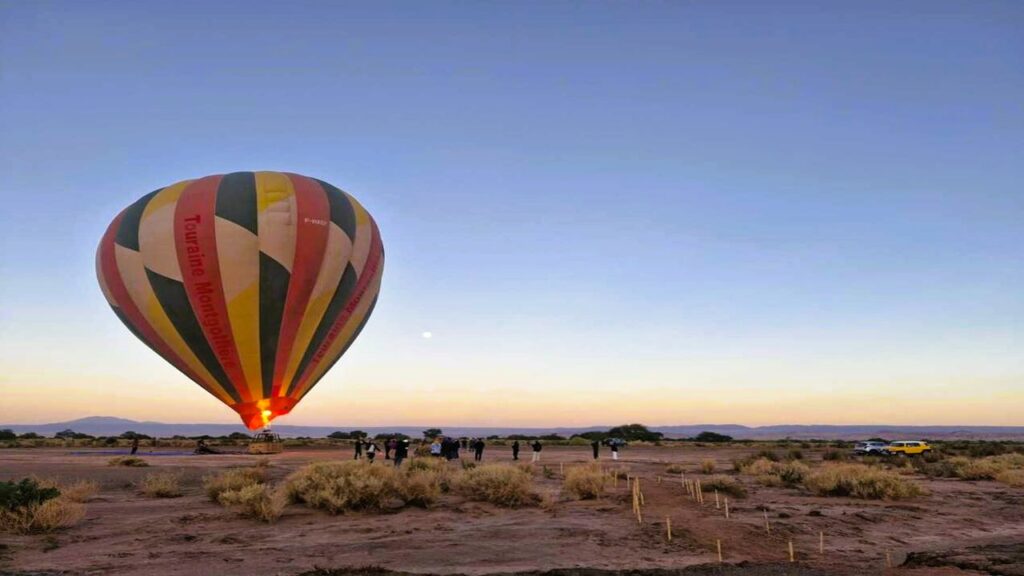
One of the most unusual experiences you can have in San Pedro de Atacama is a hot air balloon flight, offering the chance to admire the desert from above and see its volcanoes, canyons, and vast Altiplano landscapes from a completely different perspective.
The activity takes place in the early morning, when weather conditions are generally more favorable. After a brief preparation, the flight lasts about an hour and is carried out with the assistance of a specialized team. The experience ends with breakfast and a small toast.
Flights are highly dependent on weather conditions and may be changed or cancelled for safety reasons.
Meteorite hunting
Meteorite hunting is an activity organized by the Meteorite Museum in San Pedro de Atacama, giving visitors the opportunity to take part directly in the search for and recovery of these materials in the desert. The Atacama Desert is one of the most meteorite-rich areas on Earth, as its extremely arid conditions allow them to remain preserved on the surface for long periods.
The experience begins the day before at the museum, where you receive an introduction and some basic information. The following day, you head into the desert for the meteorite search, in an area where the museum conducts research and recovery activities. Using the equipment provided during the excursion, you take part in the search and, once a meteorite is found, learn the scientific protocol for recovering it as well. At least one find is guaranteed.
The find is more than just a souvenir of the experience: in the afternoon, after returning to the museum, part of the meteorite is set aside for the necessary scientific classification and certification, while another portion is given to the person who found it, allowing them to keep a small fragment.
The Meteorite Museum also organizes an excursion to the Monturaqui crater, the largest meteorite impact crater in Chile and one of the best-preserved in South America. The visit allows you to explore the crater and search for impactites, rocks formed during the meteorite impact that provide important evidence of its origin. After the fieldwork, you return to the museum, where you can cut and polish the samples you collected and have them tested for nickel. At the end of the experience, you can keep a fragment of these remarkable rocks.
Conclusion
These are just some of the lesser-known experiences you can enjoy around San Pedro de Atacama. There are also other options, as well as the possibility of arranging personalized experiences tailored to your interests and needs.
If you’re interested in this type of experience, I can help you to choose and arrange the experiences that best suit you for you, or put together an itinerary that incorporates them into the rest of your trip. Discover all my travel planning services and get in touch with me if you have any questions.